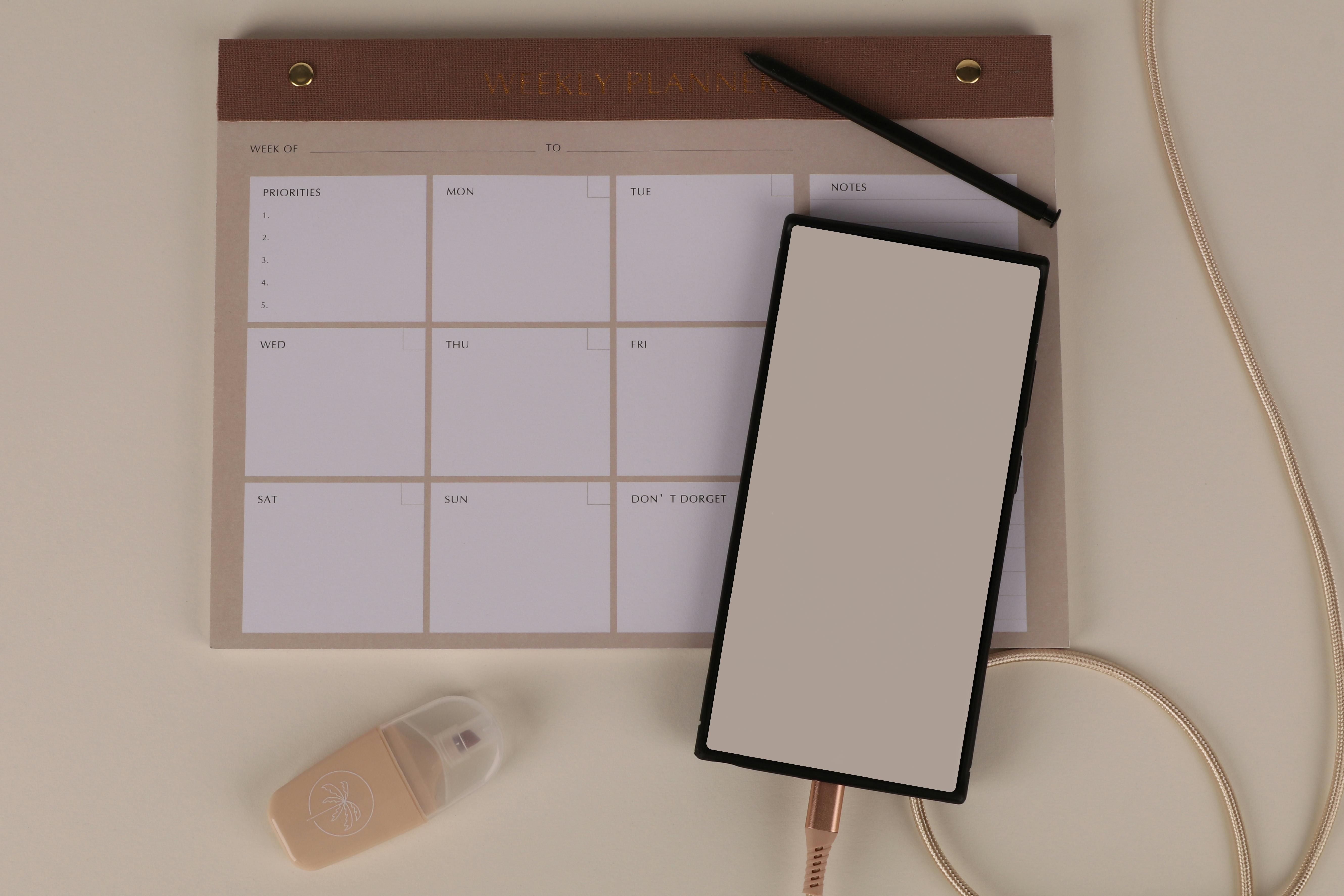
Habit formation is not about heroic willpower. It is about making the right action the easy action, every day, even when you are tired or busy. A habit formation AI tool can help by turning a vague goal like “drink more water” into a set of tiny steps, gentle reminders, and a feedback loop that shows progress. The best tools feel less like a task manager and more like a supportive coach.
What a habit formation AI tool should do well
The core job is to reduce friction. That means helping you define habits in clear, realistic terms, matching them to the right time of day, and spotting when a plan needs to adapt. AI is valuable when it personalizes, not when it overwhelms. Look for a tool that understands your patterns and keeps the plan simple enough to follow on your busiest days.
- Break large goals into small daily actions with obvious next steps.
- Offer context-aware nudges instead of constant, noisy notifications.
- Celebrate streaks and recoveries, not just perfect weeks.
- Highlight trends so you can see what time and place work best.
How to use it for real behavior change
Start with a habit that is almost too easy. If your aim is exercise, begin with five minutes of movement at a consistent time. Let the AI coach schedule it, prompt you at the right moment, and ask for quick reflections. The reflections matter: they teach the system which cues lead to action and which ones lead to procrastination.
Then scale one variable at a time. Increase duration or frequency only when the base habit feels automatic. If you miss a day, use the tool to plan the next attempt rather than guilt-tripping yourself. TINU is designed for this exact rhythm: light guidance, clear visibility, and a companion that keeps the habit alive without adding pressure.
Avoid the common pitfalls
The most common mistake is overloading your plan. Adding four new habits at once usually creates friction and dropout. Another mistake is ignoring context, such as trying to build a morning routine without accounting for commute or family duties. Use your AI tool to test, learn, and revise. A good system makes adjusting feel normal, not like failure.